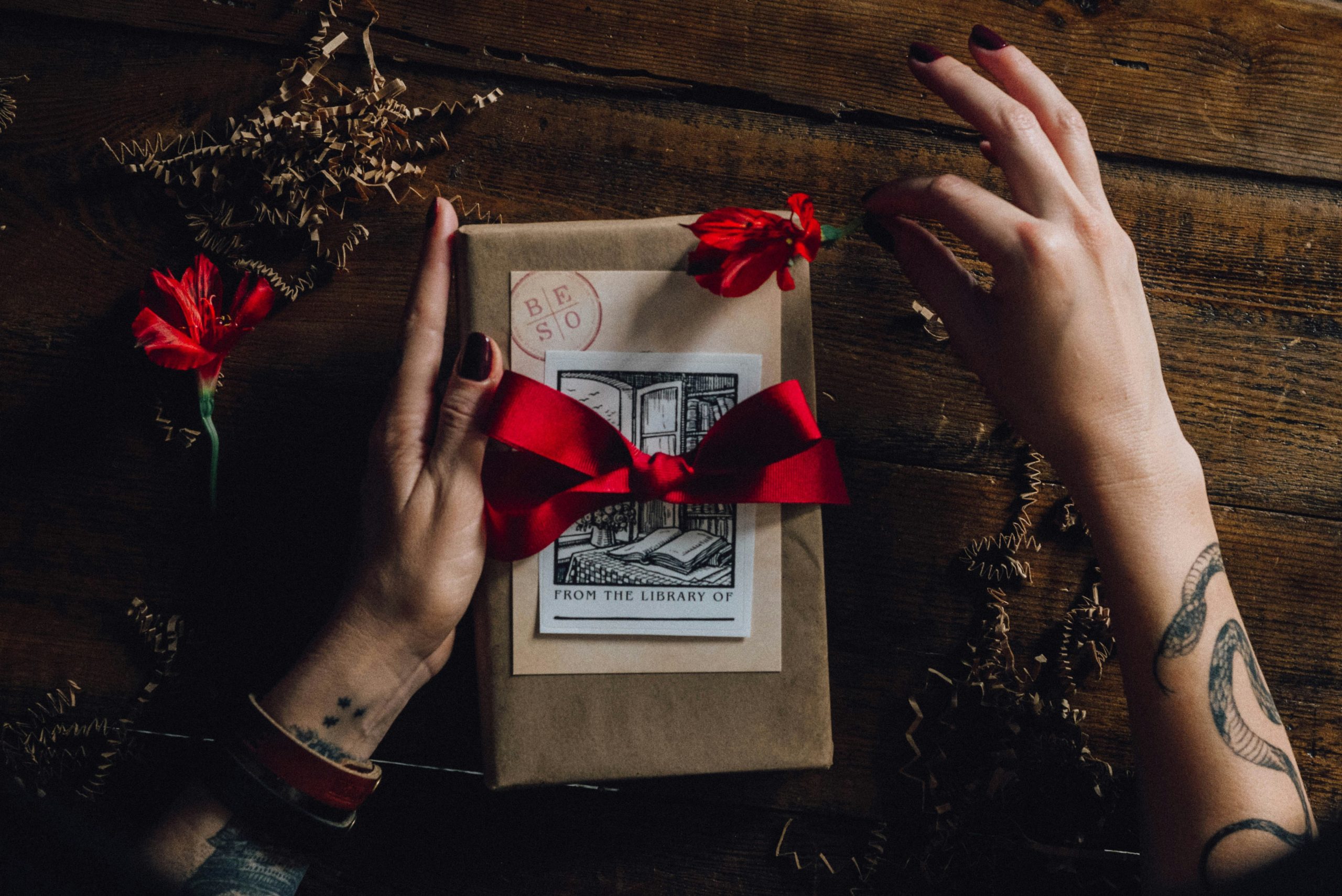
Buying a book for someone is a personal, considerate gesture. It demonstrates that you understand their mind, their interests, and their preferences. However, as anyone who has ever given a 700-page historical biography to a friend only to have it accumulate dust knows, getting it right is notoriously tough.
The likelihood of misfiring is high. You might purchase a book they’ve previously read, a genre they secretly dislike, or a format they find difficult to hold. Worse, you may commit the ultimate book-gifting offense by purchasing a mass-market paperback with a “Now a Major Motion Picture” sticker permanently printed on the cover.
To provide a book that is truly read, look beyond the bestseller lists and consider the type of reader you are purchasing for.
The “Devourer” (The 50+ Books a Year Reader)
The Devourer always has a book in their bag and tracks their reading religiously. The primary challenge here isn’t finding something they will like; it’s finding something they haven’t already bought for themselves on release day.
The Strategy: Go Obscure or Go Beautiful
Do not buy them anything currently sitting on the front table of a major bookstore. If a book has been heavily marketed on social media or morning shows, the Devourer either already owns it, has already read it, or actively decided to skip it.
Instead, pivot to translated literature and independent publishers. Look for titles from critically acclaimed but niche presses like:
- New York Review Books (NYRB) Classics: Known for their distinctive spines and for resurrecting brilliant, forgotten literature.
- Fitzcarraldo Editions: Famous for their minimalist blue and white covers, this UK-based publisher consistently produces Nobel Prize-winning authors before they hit the mainstream.
- Europa Editions: Excellent for contemporary international fiction.
Alternative strategy: Check the longlists for international literary awards. While everyone knows the Pulitzer, the Devourer will appreciate a nominee from the International Booker Prize, the Women’s Prize for Fiction, or the National Book Award for Translated Literature.
The Non-Fiction Aficionado
Non-fiction readers rarely cross over into made-up worlds. They read to learn, to optimize, or to understand how the world works. But “non-fiction” is a massive umbrella, and assuming a history buff will enjoy a Silicon Valley business memoir is a quick way to waste fifty dollars.
Finding the Right Sub-Niche
You must identify their specific flavor of reality.
The Micro-History Lover: These readers love deep dives into incredibly specific, seemingly mundane topics. Books that explore the global impact of a single commodity—like salt, cod, paper, or the color blue—are highly prized. Look for narrative non-fiction that reads like a thriller but is heavily researched.
The System Thinker: If they frequently talk about habits, economics, or behavioral psychology, avoid “hustle culture” paperbacks. Look for university press publications or books by Nobel laureates in economics (like Daniel Kahneman). They appreciate robust footnotes and peer-reviewed concepts, not just anecdotal self-help.
The History Buff: Pay attention to their preferred era. A World War II fanatic might not care about the Roman Empire. A practical tip: If they love military history, look for recent releases that utilize newly declassified documents or focus on a highly specific, overlooked theater of war, rather than broad overviews they likely already know.
The Escapist (Sci-Fi, Fantasy, and Romance)
Genre readers are intensely loyal, but the sub-genres are highly compartmentalized. Buying a fantasy book for a fantasy reader is a minefield if you don’t know whether they prefer “grimdark” (bleak, violent, politically complex) or “cozy fantasy” (low-stakes, heartwarming, character-driven).
The Golden Rules of Genre Gifting:
- Never buy Book Two or Three of a series. Unless you are certain they own Book One and have been explicitly asking for the sequel, do not do this. It is a useless object without the context.
- Opt for acclaimed standalones. Look for standalone novels by heavy-hitting authors. In sci-fi, authors like Andy Weir or Adrian Tchaikovsky often write single-volume stories.
- Upgrade their favorites. Genre readers love special editions. If you know their favorite series, look for a 10th-anniversary hardcover, an edition with “sprayed edges” (where the page edges are painted or stenciled), or a beautifully illustrated version.
To vet quality, check the recent winners of the Hugo Awards or Nebula Awards for sci-fi/fantasy. For romance, look at the RITA Awards (now the Vivian Awards) or recommendations from the Romance Writers of America.
The “I Want to Read More” Reader (The Slumped Reader)
This is the friend who says, “I used to read so much, but I just don’t have the attention span anymore.”
Do not buy this person a 900-page classic. Do not buy Infinite Jest. Imposing a massive, dense text on someone trying to rebuild their reading habit creates guilt, not joy. The book will sit on their nightstand, mocking them, until they hide it in a drawer.
The Strategy: High Momentum and Low Commitment
You want to buy them a “gateway” book.
- Novellas: Books under 150 pages offer a quick, satisfying hit of completion. Science fiction and horror are currently going through a golden age of novellas (publishers like Tordotcom excel at this).
- Propulsive Thrillers: Choose books with short chapters. The psychological mechanism of a 3-page chapter makes the reader think, “Just one more,” propelling them through the book in a weekend.
- Essay Collections or Short Stories: These allow the reader to consume literature in 15-minute increments without worrying about losing the plot thread if they put the book down for a week.
Format Matters: Physical, Audio, or Digital?
The words might be the same, but the delivery mechanism deeply impacts the reading experience. Many gift-givers default to hardcovers because they feel more “substantial,” but this isn’t always the right move.
A Quick Guide to Book Formats
| Format | Best For | Trade-offs & Considerations |
| Standard Hardcover | The collector, the home-reader. | High perceived value as a gift. Heavy, hard to travel with, and dust jackets are easily damaged in bags. |
| Trade Paperback | The commuter, the reader who annotates. | Lighter, highly readable, easy to hold open. The “Goldilocks” format for most readers. |
| Mass-Market Paperback | Not recommended for gifting. | These are the small, thick, cheap paperbacks found in airports. The text is small, and the spines break immediately. Avoid as a gift. |
| Audiobook (Credit) | The multitasker; the long-commuter. | Excellent for busy people. Important: Buy credits through platforms like Libro.fm to support indie bookstores instead of defaulting to Amazon’s Audible. |
The Faux Pas of the “Movie Tie-In” Cover
If a book has recently been adapted into a movie or TV show, publishers will often release a new edition featuring the actors on the cover. Avoid these at all costs. Dedicated readers almost universally prefer the original, illustrated cover art.
A movie tie-in cover strips the reader of the ability to imagine the characters themselves, and the printed “Soon to be a major motion picture” badges ruin the aesthetic of a bookshelf.
How to Snoop Effectively?
To ensure you aren’t buying duplicates, you need to do a little reconnaissance.
Digital Snooping: If they have a Goodreads or StoryGraph account, your job is easy. Look at their “Want to Read” shelf, sort by the date added, and pick something they added recently. (StoryGraph is particularly popular with modern power-readers, as it provides data on the pacing and mood of books they enjoy).
Physical Snooping: If you are in their home, look at their shelves. Look for vertical reading creases on the spines of paperbacks—this tells you which books they’ve actually read versus the ones they bought to look smart. Note the publishers they tend to buy, or the authors that take up the most shelf space.
The Ultimate Fallback: The Curated Gift Card
There is a recurrent misconception that gift cards are inconsiderate. For an ardent reader, a gift card to a bookshop is more than just permission to pleasure. It alleviates the shame of spending their own money on their interest.
However, giving them a piece of plastic in a blank envelope appears clinical. To enhance the experience, associate the gift card with a specific experience or autonomous organization.
Instead of a generic big-box store card, buy a gift card to a well-known indie bookshop (such as Powell’s Books in Portland, The Strand in New York, or their local neighborhood shop).
Alternatively, buy a gift card from Bookshop.org, an online platform that distributes revenues to independent bookshops across the country.
Present the card inside an actual card and explain why you purchased it. Write the following: “I know you’ve been reading a lot of historical fiction lately, and I wanted to give you the excuse to go pick out the exact right one for your next weekend off.”