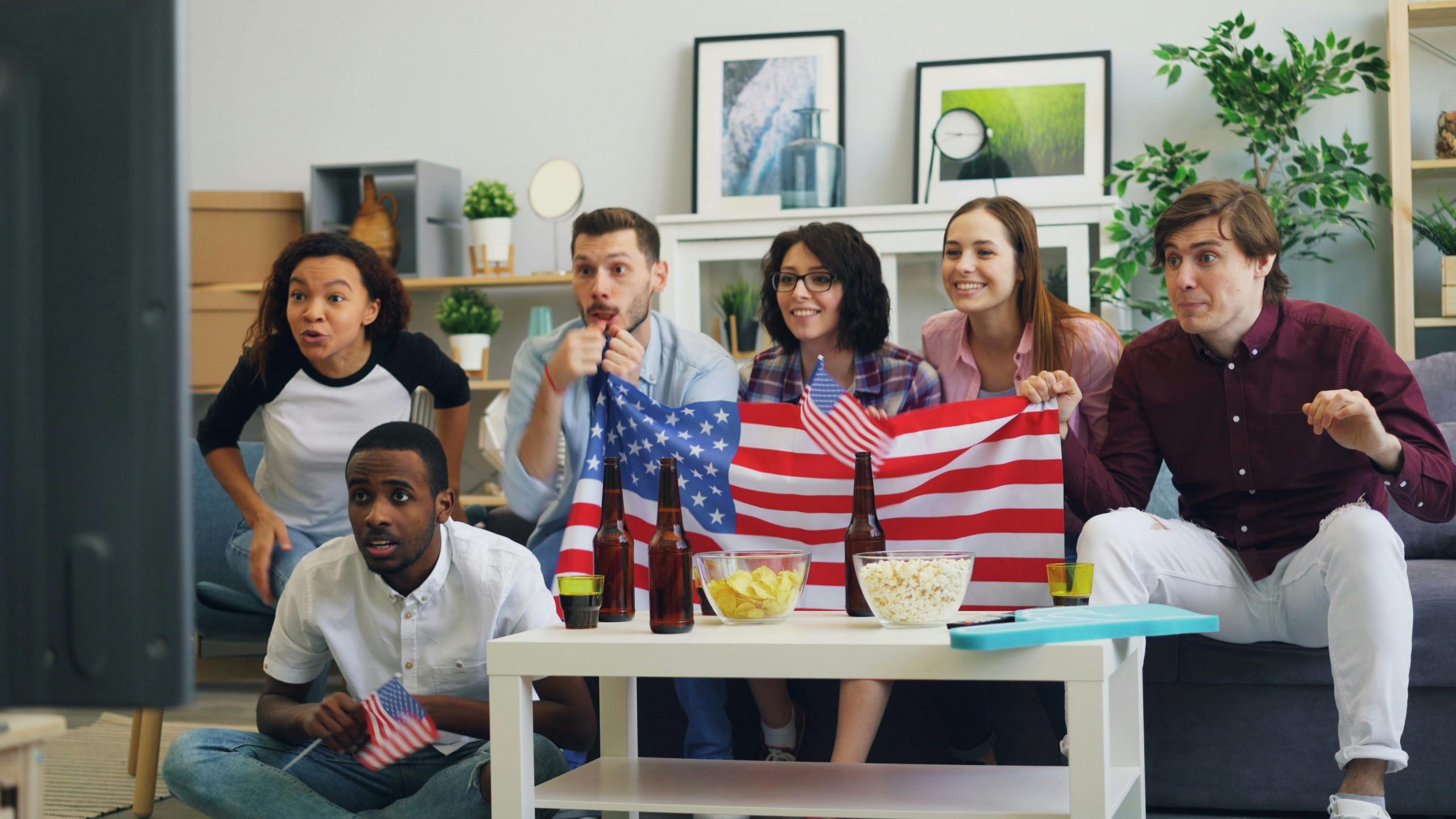
There’s a meaningful difference between a group of people watching something together and an actual watch party. The first happens by accident. The second takes two hours of planning and pays off every time someone texts you the next morning, saying that was the most fun they’ve had in months.
Themed watch parties work because they give everyone a shared frame. The food fits the show. The schedule creates anticipation instead of dead space. The decor does something small but surprisingly effective; it signals that this is an event, not just a hangout. Here’s how to pull one together without overcomplicating it.
Picking a Theme That Actually Works
The theme should come from the content, not the other way around. Strong theme candidates fall into a few categories:
Franchise finales or premieres: season premieres of returning favorites, final episodes of long-running series, or theatrical releases of sequels fans have been waiting years for.
Cult classics with iconic aesthetics: The Great British Bake Off, Downton Abbey, Succession, or any film with a recognizable visual world (1970s disco, Italian-American mafia, mid-century noir) all lend themselves naturally to food and decor that extends the watching experience.
Competitive or event television: award shows, sports championships, and cooking competitions let you build in prediction brackets, scoring sheets, and intermission games that give the schedule a natural shape.
The clearer the visual and cultural identity of what you’re watching, the easier everything else becomes. A Bridgerton watch party practically plans itself: Regency-era aesthetics, tea service, finger sandwiches. A procedural crime drama is harder to theme without forcing it.
Building a Schedule That Respects People’s Time
Most watch parties fail not from bad snacks but from bad pacing. People arrive, mill around uncertainly, eat too early, and by the time the main event starts, half the food is gone, and the energy has peaked.
A rough framework that holds up across most formats:
| Time Block | Purpose |
|---|---|
| First 20–30 min | Arrival window, welcome drink, light grazing |
| 5 min before start | Gather everyone, quick intro or trivia warm-up |
| Content runtime | Minimal interruptions, snack refills only |
| Halftime or episode break | Intermission games, predictions, and main snack spread |
| Post-show 30–45 min | Discussion, dessert, lingering |
The intermission is often where the real fun lives. If you’re doing a multi-episode binge, pick a natural break between episodes two and three, or at the season midpoint, and use it intentionally. Run a prediction bracket. Do a costume contest. Play one round of themed trivia.
For a film, a halftime break doesn’t fit, so front-load the social energy with a 30–40 minute arrival window and save dessert for the credits.
Themed Snacks
You don’t need to recreate every dish from the show. You need two or three items that immediately signal the theme and then fill the rest of the spread with things people will actually eat.
The Anchor Item
This is your centerpiece, the thing that gets photographed and texted to people who couldn’t make it. It should visually reference the theme and be shareable without requiring utensils. Good examples:
- For a Harry Potter marathon: butterbeer (cream soda, butterscotch syrup, whipped cream) served in mugs, alongside “sorting hat” caramel popcorn cones.
- For a Succession watch party: charcuterie heavy on aged cheeses and prosciutto, a printed “Waystar Royco” logo on the board, absurd but effective
- For a Squid Game rewatch: honeycomb candy (dalgona) with the geometric shapes pressed in, served with the shapes printed on small cards.
The anchor item doesn’t have to be complicated. A themed cocktail or mocktail with a good name and the right garnish does the same job with a third of the effort.
Filling Out the Spread
The rest of the menu should be easy to eat in the dark, handle on a couch, and not smell aggressively. Finger foods and small bites beat anything requiring a fork.
Think:
- Skewers (caprese, antipasto, fruit).
- Mini sliders or loaded crostini.
- A dip situation, hummus, queso, or a themed fondue — with dippers.
- Popcorn in 2–3 flavors, separated into individual servings if you want to avoid the communal bowl issue.
For a three-hour event, plan roughly 6–8 savory bites per person for the first half, then a dessert or sweet course at intermission or post-show. People eat less than you expect during the actual viewing; the distraction cuts their appetite, and more during breaks.
Dietary Considerations Without Making It Complicated
Check in with guests when you send the invitation. One question, “Any dietary needs I should know about?” catches almost everything. For a group of 8–12, you’ll almost certainly have at least one vegetarian and possibly someone with a gluten sensitivity.
Most themed snack spreads skew naturally toward flexibility: a well-stocked charcuterie board can be largely gluten-free, and fruit skewers need no adaptation.
Label everything at the table. Small handwritten tent cards listing the main ingredients take five minutes and save a lot of questions mid-party.
Invitations and Dress Code
Send invitations 10–14 days out for a weekend event. Include the start time, the theme, parking or logistics if relevant, and one specific ask: “Come in your best Downton-era look” or “Wear something in the house colors.” A concrete, low-barrier costume prompt gets higher participation than an open-ended one.
Themed dress codes work best when you give people an easy out. “Come in theme or just in your most comfortable outfit” removes the pressure for anyone who won’t have time or interest, while still rewarding those who lean in.
The people who make the effort elevate the whole room.
The Room Setup
Seating is the most underrated part. Everyone needs a sightline to the screen, somewhere to set a drink within arm’s reach, and enough light to see what they’re eating without washing out the picture on screen.
Practical setup that works for 8–12 people:
- Primary seating (sofa, chairs) angled toward the screen within 10–14 feet.
- Floor cushions or poufs for overflow, closer to the screen, which often have better viewing angles than the far end of a couch.
- A side table or tray table for snacks, rather than balancing plates on laps.
- Dimmable or warm-toned lighting overhead, bright white lights compete with screens and flatten the atmosphere.
Decor should be visible but not distracting during the show. A themed table arrangement, a printed banner, and a few relevant props on a shelf do the work. You’re not decorating for a photo shoot; you’re setting an atmosphere that people register when they walk in and then stop noticing once the show starts.
A Common Mistake Worth Avoiding
Trying to run commentary or discussion during the viewing. It feels natural in the moment, but it fragments everyone’s experience and creates a social pressure to perform reactions rather than have them. Save the analysis for the break.
One host trick: announce explicitly before pressing play that you’re going phones-down and commentary-off for the first episode. Most guests appreciate having permission actually to watch.
Practical Quick Reference
- 1–2 weeks before: Send invitations with theme details and dress code prompt.
- 3–4 days before: Confirm headcount, finalize menu, and order any specialty items.
- Day before: Prep make-ahead food, set up decor, print any trivia or game sheets.
- 2 hours before: Final food prep, set up the snack table, test the A/V setup.
- 30 min before: Welcome drink ready, lights set, playlist running.
The planning is front-loaded, which means by the time guests arrive, you’re actually present for your own party. That’s the point. A well-run watch party feels effortless from the inside, which is exactly what two hours of thoughtful prep produces.